
Study Overview
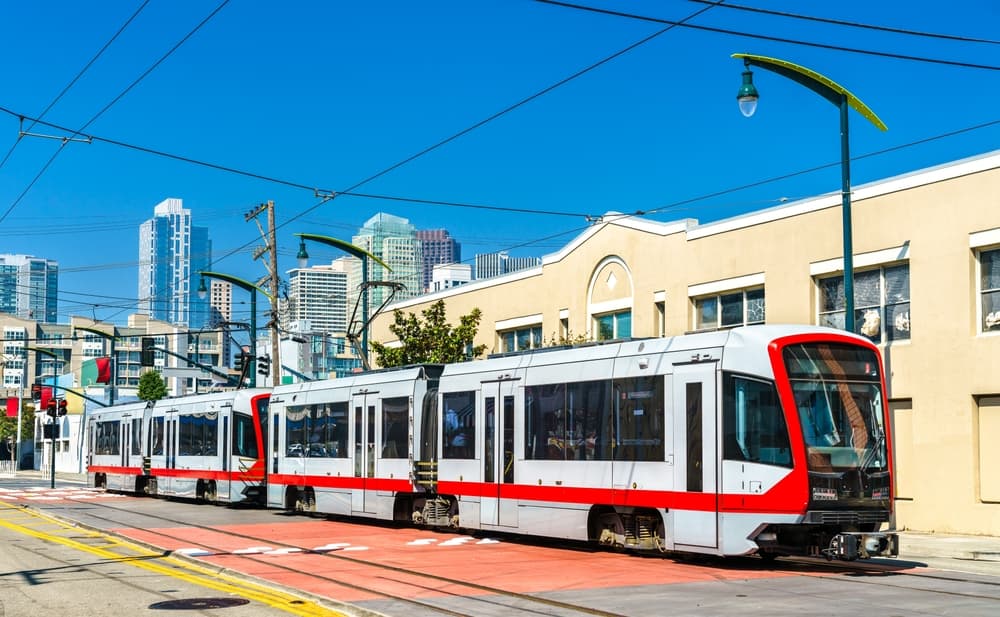
The Office of Economic Analysis at San Francisco Controller’s Office utilized a REMI model in an economic impact analysis of a proposed parcel tax. The parcel tax will be included on the San Francisco November 2026 ballot. Its purpose is to fund Muni, the transit service of the San Francisco Municipal Transportation Agency (SFMTA). Muni has seen reduced ridership since the COVID-19 pandemic, and with pandemic-era Federal relief funding set to expire, Muni faces service cuts. If the proposed tax passes, it will take effect on July 1st, 2027, and run for 15 years, helping maintain existing transit service levels.
To evaluate the policy, the Office of Economic Analysis compared two alternative scenarios: the economic effects of the transportation system if the Muni continues to experience a budget gap, and the economic effects of implementing the parcel tax. A REMI regional economic model of the San Francisco economy was used to measure the parcel tax’s impact on property values, the impact of Muni service cuts on property values, higher labor costs due to longer commutes if the service cuts occur, reduced Muni spending in the city’s economy if the tax is not adopted, and more.
The REMI economic modeling analysis also measured a range of regional indicators, including total employment, population, labor force, GDP, PCE-Price Index, relative housing price, and more. These results provide insight into the potential employment impact, price effects, and regional economic outlook associated with the proposed tax and potential Muni service reductions.
The study shows that Muni’s traditional funding cannot sustain its current service levels and must find an alternative revenue source for transit, or face service cuts. While the parcel tax carries an economic cost, the analysis shows that potential service cuts would have a worse impact on the local economy than the tax.
To view the full study conducted by Dr. Ted Egan, Chief Economist at the City and County of San Francisco, please click here.