
Study Overview
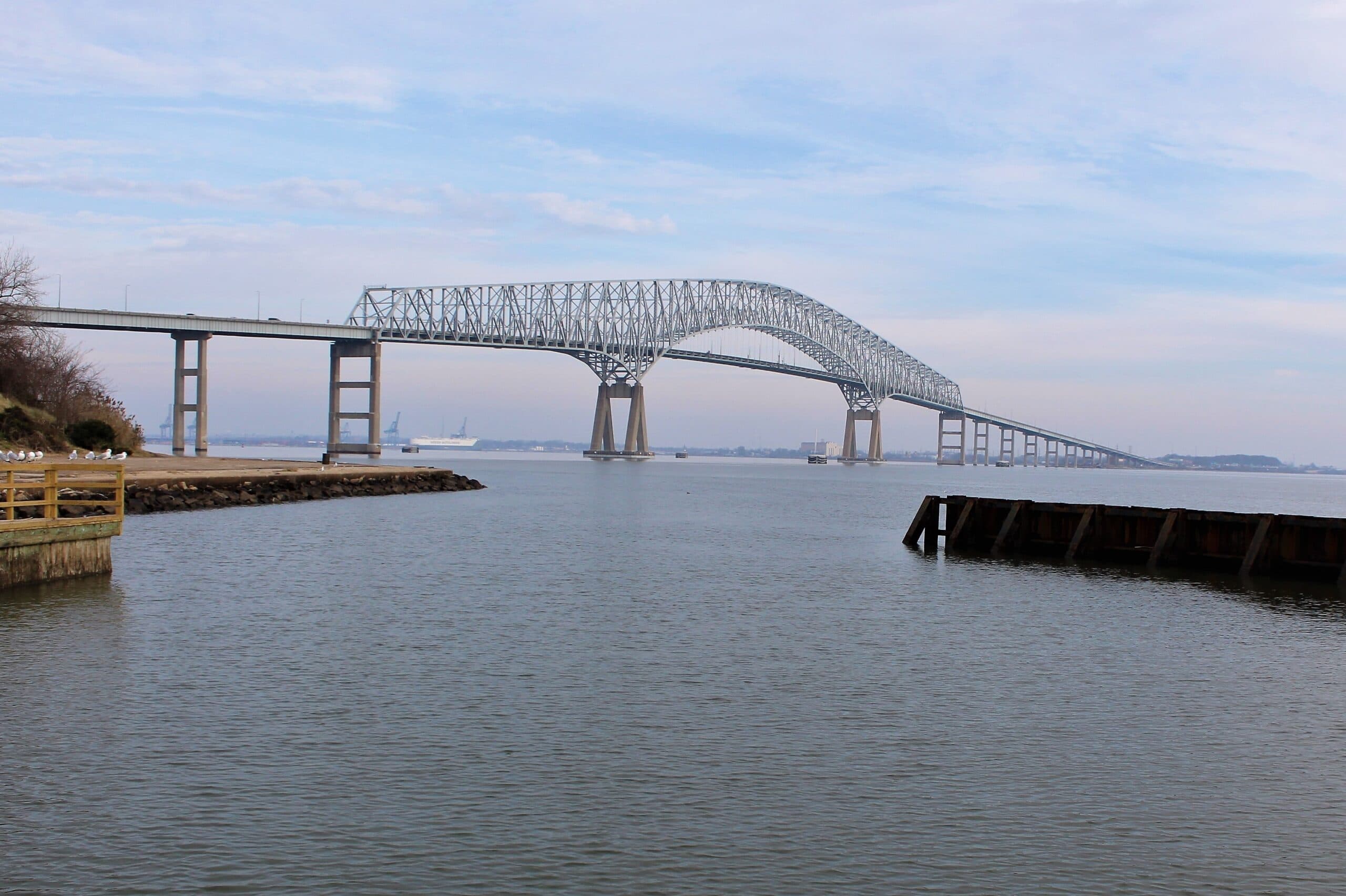
A study published in Nature Communications, “Rethinking infrastructure design from component failure to systemic resilience,” uses REMI TranSight to assess the regional economic impacts of the Francis Scott Key Bridge collapse and Port of Baltimore shutdowns. Coauthored by REMI team members, the research demonstrates how transportation economic modeling can help policymakers, transportation planners, and economic development professionals understand the consequences of bridge closures, port disruptions, and interconnected infrastructure failures. This paper was authored by Dr. Sam Dulin, Dr. Igor Linkov, Alexandre Bredikhin, and Eric Treyz from the U.S. Army Corps of Engineers; Dr. Stergios-Aristoteles Mitoulis at University College London; and Billy Leung, Jeffrey Dykes, Owen Karpeles, Shreeya Gurav, and Alex Karhunen from REMI.
Using REMI TranSight, researchers evaluated five transportation disruption scenarios, measuring changes in gross domestic product (GDP), employment, labor force, economic output, and real disposable income. The analysis connects changes in transportation networks—including travel times, transportation costs, freight movement, and access to labor and markets—to broader regional economic outcomes. Results show that simultaneous bridge and port closures can generate economic losses greater than the combined effects of each disruption occurring independently, underscoring the importance of transportation connectivity and supply chain resilience.
By integrating regional economic impact analysis with infrastructure resilience assessment, the study provides a framework for evaluating transportation system vulnerabilities, economic recovery, and the consequences of prolonged infrastructure shutdowns. The research highlights how REMI TranSight can support transportation planning, infrastructure investment prioritization, and resilience strategies by connecting transportation network performance to regional economic activity.